


Knowing where your shipment departed from isn’t always the same as knowing its legal country of origin.
That distinction can have a significant impact on the duties and tariffs applied when merchandise enters the United States.
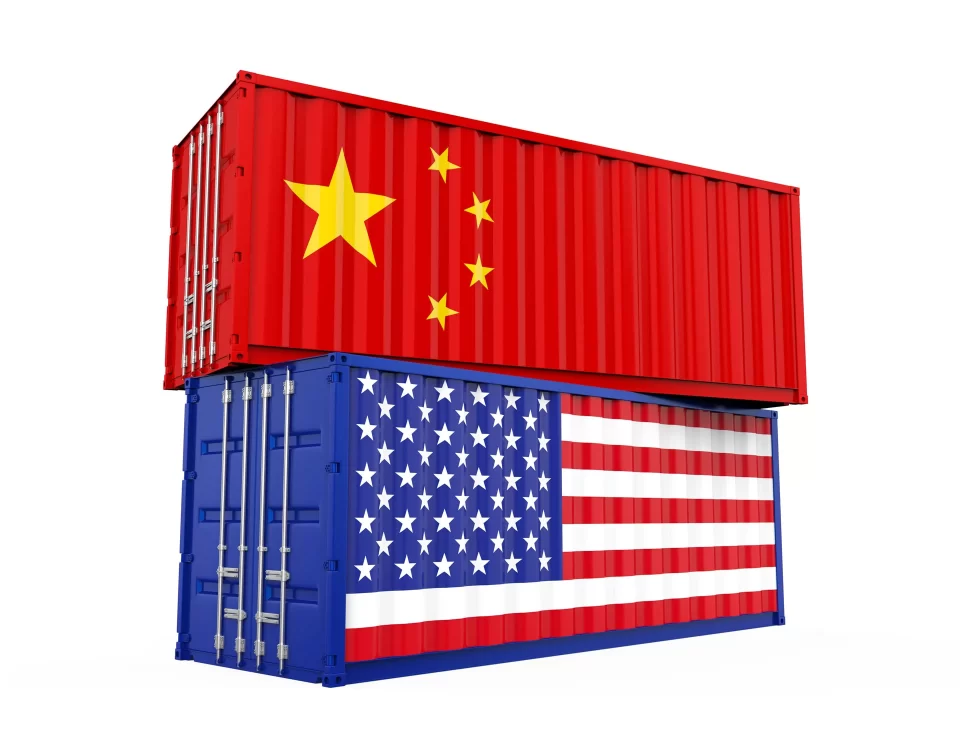
In July 2026, the Office of the U.S. Trade Representative announced additional Section 301 tariff action affecting imports associated with 60 trading economies, with additional tariff rates of 10% or 12.5% subject to specified product exemptions. citeturn791442search2turn791442search8
For importers, developments like these reinforce the importance of understanding where products are manufactured, how they are classified, and whether additional trade remedies apply.
Country of Origin Can Affect Your Landed Cost
Importers should consider questions such as:
- Where was the product actually manufactured?
- Did substantial transformation occur in another country?
- What HTS classification applies?
- Are additional tariffs associated with that country or product?
- Are there exemptions or exclusions currently available?
- Is the supporting documentation sufficient for Customs?
Routing a shipment through another country generally does not change the legal origin of the merchandise.
Get the Details Right Before the Freight Moves
International transportation and customs compliance work best when they’re considered together.
Brownstone International works with importers to coordinate freight movement, customs clearance, documentation, and delivery—helping businesses understand potential requirements before a shipment reaches the border.
Planning an international shipment? Let’s talk before it moves.
[Request a Quote]