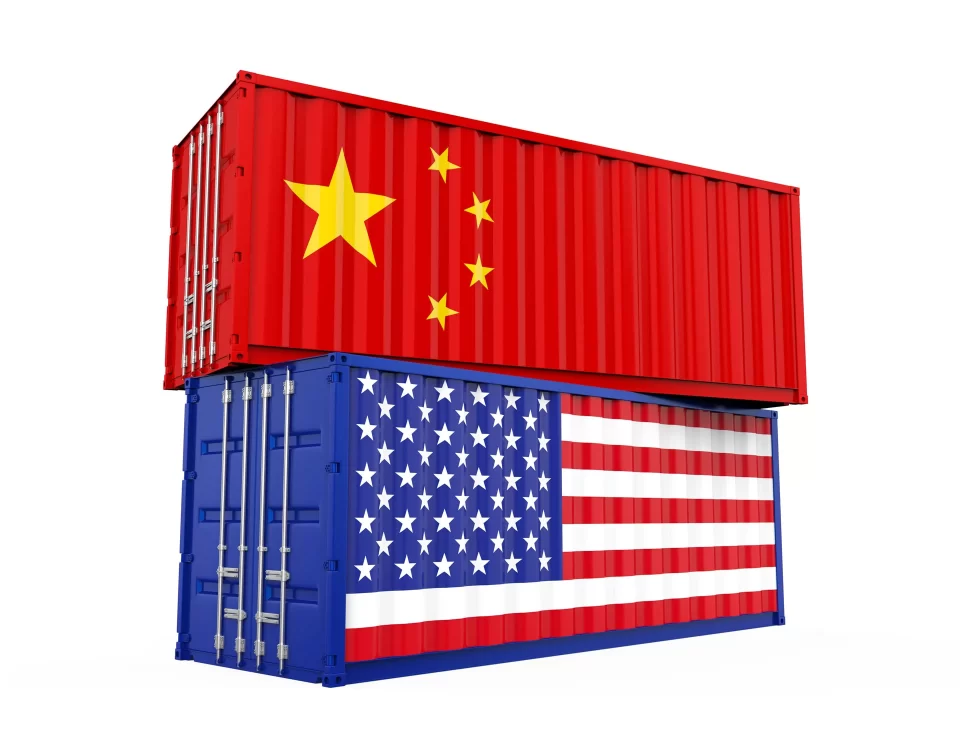





Tariffs have become an increasingly important part of international shipping costs, and importers need to look beyond freight rates when planning landed costs.
In 2026, the U.S. continues to use Section 301 and other trade measures that can add significant duties to imported products depending on country of origin, product classification, and applicable exclusions. USTR also began a second four-year review of existing China Section 301 tariff actions in May 2026.
For importers, that makes accurate classification and advance planning more important than ever.
Before your shipment leaves origin, it helps to understand:
- The correct HTS classification for your product
- Country-of-origin requirements
- Whether additional Section 301 duties apply
- Whether a current exclusion applies
- The total estimated landed cost before purchasing or shipping
USTR maintains a Section 301 product search that allows importers to check tariff treatment by HTS subheading.
Planning Before Shipping Can Prevent Surprises
A low freight rate doesn’t necessarily mean a low landed cost. Duties, tariffs, customs fees, transportation, and handling all contribute to the final cost of importing goods.
Brownstone International helps businesses coordinate international transportation and customs clearance so import requirements can be considered before freight starts moving.
Have questions about an upcoming import?